MARPE associated with corrective mechanics in the treatment of Class III: case report
Relato de Caso
INTRODUCTION: The treatment of Class III malocclusion associated with maxillary constriction in adult patients, using miniscrew-assisted rapid palatal expansion (MARPE), makes it possible to achieve skeletal- level maxillary expansion with reduced dentoalveolar effects. MARPE, when combined with cortical perforations along the midpalatal suture, has proven to be a simpler and more cost-effective approach, compared to surgically-assisted rapid palatal expansion (SARPE). OBJECTIVE: The aim of this case report is to demonstrate the feasibility of MARPE treatment in adult patients with...
Autores: Rodrigo Romano Da Silva, Tania Mara de SOUZA,

Chega um momento em que todo voo precisa encontrar novamente a pista, fundamentado na máxima de que, embora “decolar seja opcional, pousar é obrigatório”. Essa transição não ocorre porque a jornada perdeu seu propósito, mas porque novos horizontes exigem novos pilotos, novas mãos no comando do manche e novas perspectivas para continuar conduzindo a aeronave seguindo outras proas. Pois é, meus amigos, o comandante deixou o manche! Ao encerrar este ciclo como editor-chefe,...

O Prof. Naldi construiu uma trajetória sólida e admirável na Odontologia brasileira, marcada pela busca contínua por excelência, inovação clínica e compromisso genuíno com o ensino. Apaixonado pela Periodontia Estética, sempre compreendeu que resultados excelentes não são fruto de abordagens em áreas isoladas do ambiente intrabucal, mas da integração harmoniosa entre face, lábios, gengivas e dentes — uma visão abrangente e sensível da estética do sorriso. Inspirado pelo...
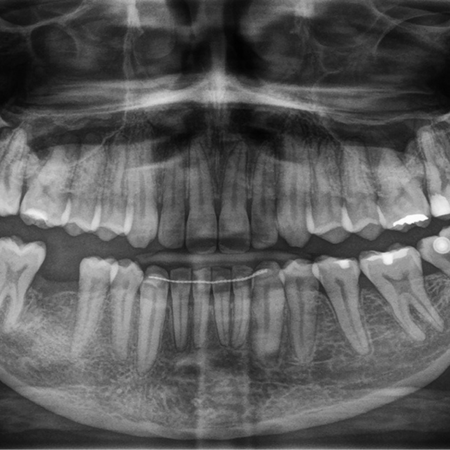
INTRODUÇÃO: A má oclusão de Classe II representa uma das discrepâncias anteroposteriores mais frequentes na Ortodontia e pode resultar de diferentes combinações de fatores esqueléticos e dentoalveolares. O avanço das terapias com alinhadores transparentes ampliou as possibilidades de tratamento dessa condição, permitindo a aplicação de mecânicas complexas em pacientes adultos. OBJETIVO: O objetivo deste trabalho foi relatar o tratamento de um paciente adulto com má oclusão de...
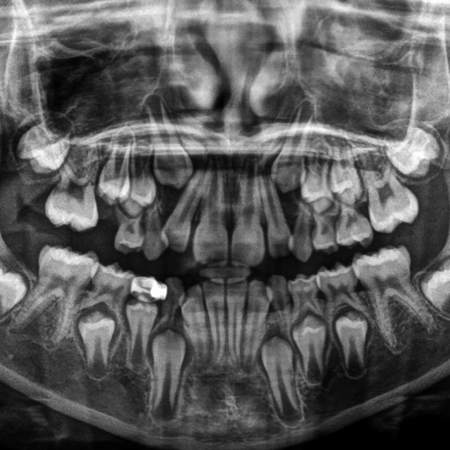
OBJETIVO: O objetivo deste artigo é apresentar quatro casos clínicos, destacando a importância da criatividade para o tratamento da má oclusão de Classe II em pacientes em crescimento. Os pacientes foram tratados por meio de abordagens terapêuticas diferentes: placa removível com mola recuperadora de espaço, aparelho ortopédico funcional, alinhadores Invisalign Precision Wings e aparelho extrabucal. CONCLUSÃO: Os casos demonstram que, com criatividade, é possível aplicar...
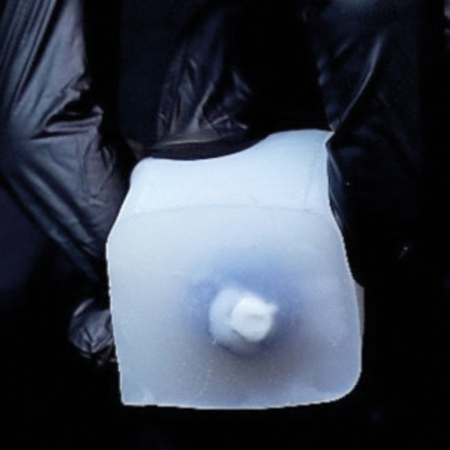
INTRODUÇÃO: A artrocentese da ATM é uma técnica minimamente invasiva indicada para o manejo de disfunções temporomandibulares intra-articulares que não respondem a tratamentos conservadores. OBJETIVO: Este estudo laboratorial avaliou a eficácia de uma nova agulha concêntrica única projetada para simplificar o procedimento de artrocentese, permitindo infusão e aspiração de líquidos pelo mesmo dispositivo, eliminando a necessidade de múltiplas perfurações. A agulha é composta...
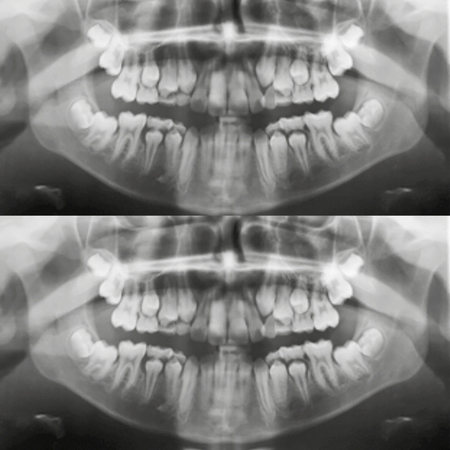
INTRODUÇÃO: Fraturas mandibulares são comuns e apresentam diversas etiologias, incluindo acidentes de trânsito, agressões e quedas. A escolha do tratamento depende de múltiplos fatores, como localização e nível da fratura, idade do paciente e presença de outras fraturas associadas. OBJETIVO: Este estudo apresenta um caso clínico envolvendo tratamento conservador para uma fratura subcondilar associada a uma fratura parassinfisária tratada cirurgicamente. RELATO DE CASO: Paciente...
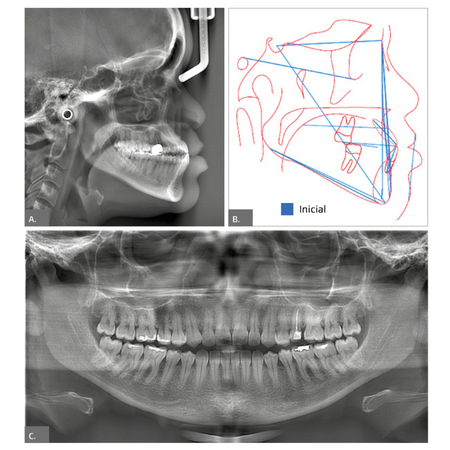
INTRODUÇÃO: O tratamento da má oclusão de Classe III associada à atresia maxilar, em pacientes adultos, utilizando a expansão rápida da maxila assistida por mini implante (MARPE), torna possível alcançar a expansão maxilar a níveis suturais, com reduzidos impactos dentoalveolares. O MARPE, associado a corticoperfurações ao longo da sutura palatina mediana, mostrou ser uma abordagem mais simples e com custos reduzidos, quando comparado à expansão rápida da maxila assistida por...
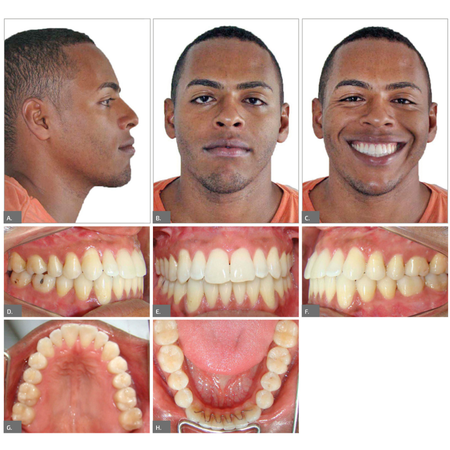
INTRODUÇÃO: A estética facial se refere à harmonia e atratividade da face, sendo influenciada por diversos fatores, como simetria, proporção entre os terços faciais e a relação entre diferentes elementos anatômicos, como olhos, nariz, lábios, além da projeção maxilar e mandibular. Os indivíduos são classificados em cinco padrões faciais, nos quais os Padrões I, II e III apresentam desordens anteroposteriores, enquanto os Padrões Face Longa e Face Curta caracterizam- se por...
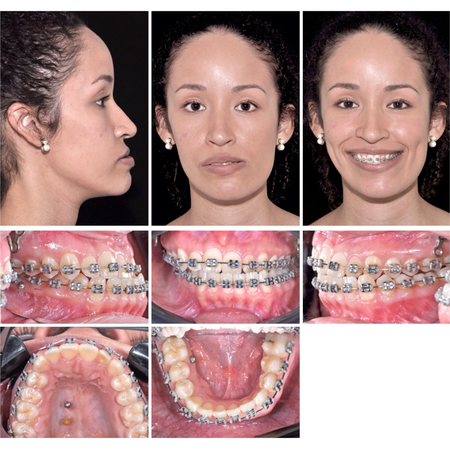
INTRODUÇÃO: A assimetria facial pode afetar a oclusão e a estética facial, e um dos objetivos fundamentais do tratamento ortodôntico é criar um aspecto facial harmonioso e equilibrado. RELATO DE CASO: O presente caso clínico apresenta o tratamento de uma paciente com severa assimetria facial e mordida cruzada vestibular, no qual foi realizado um complexo preparo ortodôntico pré-cirúrgico, com diversos recursos de ancoragem esquelética, e uma cirurgia ortognática combinada de...
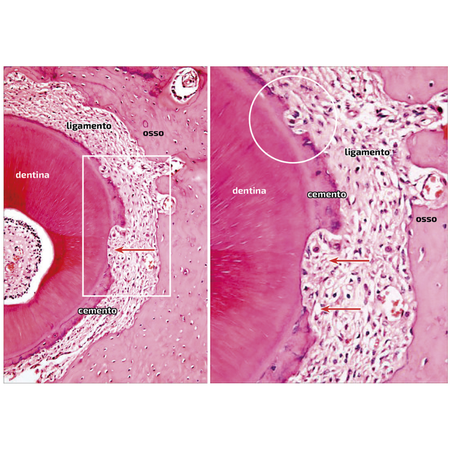
INTRODUÇÃO: Existe um passo a passo de fenômenos na instalação das reabsorções dentárias inflamatórias em dentes vizinhos a dentes não irrompidos. METODOLOGIA: A partir de uma revisão de fenômenos em vários trabalhos e teses, organizou-se uma sequência lógica desses fenômenos. RESULTADOS, DISCUSSÃO E CONCLUSÕES: Há lesão e morte de cementoblastos, com exposição de cemento e dentina, com suas proteínas antigênicas, o que atrai os osteoclastos para sua remoção, com...

Llega un punto en el que todo vuelo necesita encontrar el camino de regreso a la pista, basándose en la máxima de que, si bien “despegar es opcional, aterrizar es obligatorio”. Esta transición no sucede porque la travesía haya perdido su propósito, sino porque nuevos horizontes requieren nuevos pilotos, nuevas manos al mando del timón y nuevas perspectivas para seguir conduciendo la aeronave hacia otros rumbos. Bueno, amigos, ¡el comandante ha soltado el volante! Al concluir este...

El profesor Naldi ha forjado una sólida y admirable trayectoria en la Odontología brasileña, marcada por una constante búsqueda de la excelencia, la innovación clínica y un auténtico compromiso con la docencia. Apasionado por la Periodoncia Estética, siempre ha comprendido que los excelentes resultados no son producto de intervenciones aisladas en áreas específicas de la cavidad bucal, sino de la integración armoniosa entre rostro, labios, encías y dientes: una visión integral y...
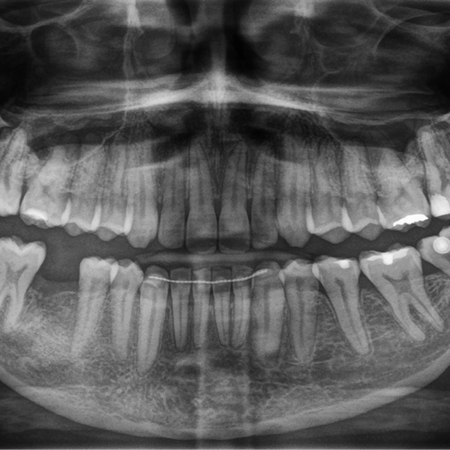
INTRODUCCIÓN: La maloclusión de Clase II representa una de las discrepancias anteroposteriores más frecuentes en Ortodoncia y puede ser consecuencia de diversas combinaciones de factores esqueléticos y dentoalveolares. Los avances en las terapias con alineadores transparentes han ampliado las posibilidades de tratamiento para esta afección, permitiendo la aplicación de mecánica compleja en pacientes adultos. OBJETIVO: El objetivo de este estudio fue describir el tratamiento de un...
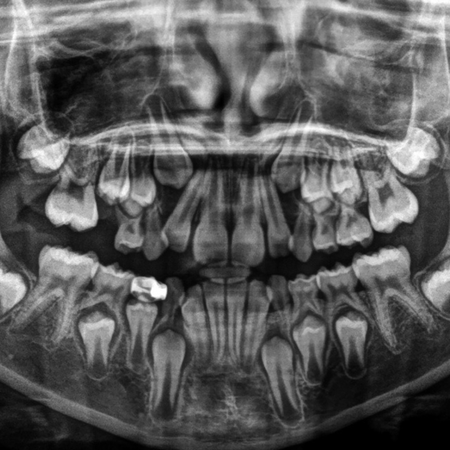
OBJETIVO: El objetivo de este artículo es presentar cuatro casos clínicos que resaltan la importancia de la creatividad en el tratamiento de la maloclusión de Clase II en pacientes en crecimiento. Los pacientes fueron tratados con diferentes enfoques terapéuticos: placa removible con resorte de recuperación de espacio, aparato ortopédico funcional, alineadores Invisalign Precision Wings y aparato extraoral. CONCLUSIÓN: Los casos demuestran que, con creatividad, es posible aplicar...
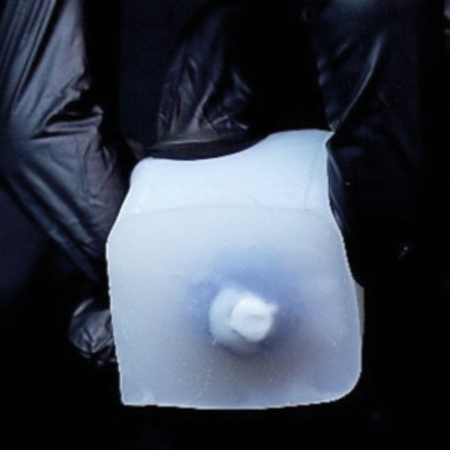
INTRODUCCIÓN: La artrocentesis de la articulación temporomandibular (ATM) es una técnica mínimamente invasiva indicada para el tratamiento de disfunciones temporomandibulares intraarticulares que no responden a los tratamientos conservadores. OBJETIVO: Este estudio de laboratorio evaluó la eficacia de una nueva aguja concéntrica única diseñada para simplificar el procedimiento de artrocentesis, permitiendo la infusión y aspiración de fluidos a través del mismo dispositivo,...
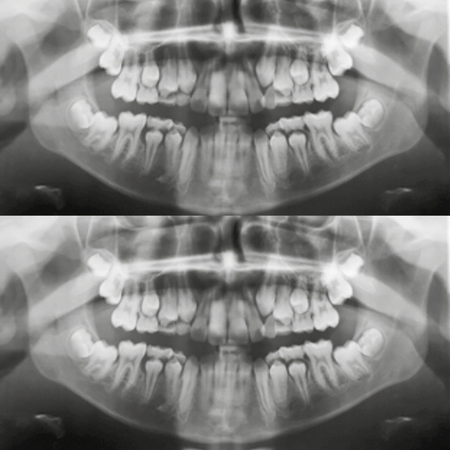
INTRODUCCIÓN: Las fracturas mandibulares son frecuentes y tienen diversas causas, como accidentes de tráfico, agresiones y caídas. La elección del tratamiento depende de múltiples factores, como la localización y el nivel de la fractura, la edad del paciente y la presencia de otras fracturas asociadas. OBJETIVO: Este estudio presenta un caso clínico con tratamiento conservador de una fractura subcondílea asociada a una fractura parasinfisaria tratada quirúrgicamente. REPORTE DEL...
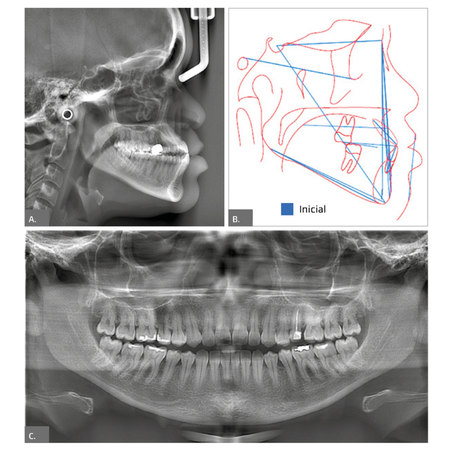
INTRODUCCIÓN: El tratamiento de la maloclusión de Clase III asociada a atresia maxilar en pacientes adultos, mediante la expansión rápida de la maxila asistida por miniimplantes (MARPE), permite lograr la expansión maxilar a nivel de las suturas con un impacto dentoalveolar reducido. La MARPE, combinada con corticoperforaciones a lo largo de la sutura palatina media, ha demostrado ser un método más sencillo y económico en comparación con la expansión rápida de la maxila asistida...
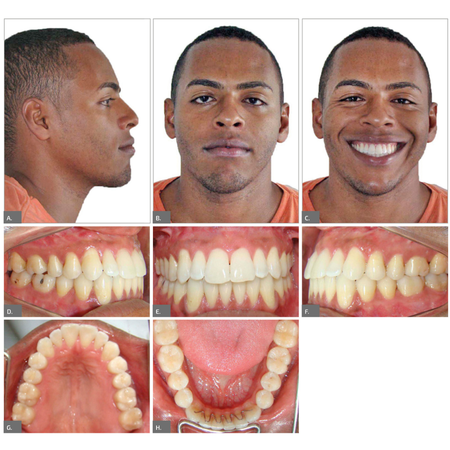
INTRODUCCIÓN: La estética facial se refiere a la armonía y el atractivo del rostro, influenciada por diversos factores como la simetría, la proporción entre los tercios faciales y la relación entre los diferentes elementos anatómicos, como los ojos, la nariz, los labios y la proyección maxilar y mandibular. Los individuos se clasifican en cinco patrones faciales, donde los Patrones I, II y III presentan alteraciones anteroposteriores, mientras que los patrones de cara larga y carta...
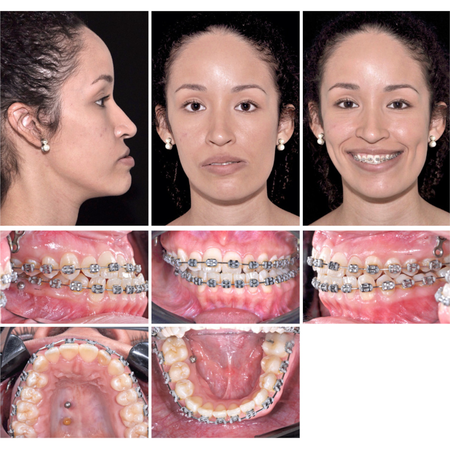
INTRODUCCIÓN: La asimetría facial puede afectar la oclusión y la estética facial, y uno de los objetivos fundamentales del tratamiento de Ortodoncia es crear una apariencia facial armoniosa y equilibrada. REPORTE DEL CASO: Este caso clínico presenta el tratamiento de un paciente con asimetría facial severa y mordida cruzada telescópica, en el que se realizó una compleja preparación ortodóncica prequirúrgica, con diversos recursos de anclaje esquelético, y una cirugía ortognática...
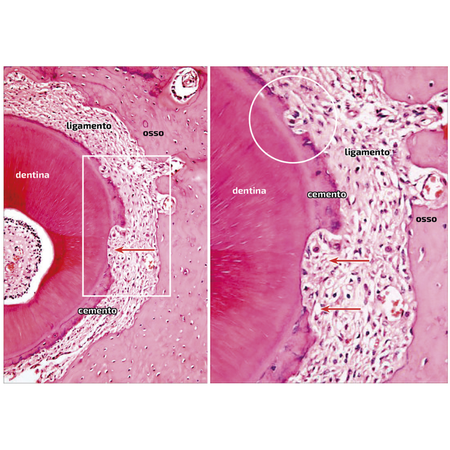
INTRODUCCIÓN: Existe una secuencia gradual de fenómenos en el desarrollo de la reabsorción dental inflamatoria en dientes adyacentes a dientes no erupcionados. METODOLOGÍA: Con base en una revisión de fenómenos en varios estudios y tesis, se organizó una secuencia lógica de estos fenómenos. RESULTADOS, DISCUSIÓN Y CONCLUSIONES: Hay daño y muerte de cementoblastos, con exposición de cemento y dentina, junto con sus proteínas antigénicas, lo que atrae a los osteoclastos para su...

There comes a point when every flight needs to find its way back to the runway, based on the maxim that, although “taking off is optional, landing is mandatory.” This transition doesn’t occur because the journey has lost its purpose, but because new horizons demand new pilots, new hands at the controls, and new perspectives to continue guiding the aircraft in different directions. Well, my friends, the commander has left the controls! As I conclude this cycle as editor-in-chief, I...

Professor Naldi has built a solid and admirable career in Brazilian Dentistry, marked by a continuous pursuit of excellence, clinical innovation, and a genuine commitment to teaching. Passionate about Aesthetic Periodontics, he has always understood that excellent results are not the product of approaches in isolated areas of the intraoral environment, but of the harmonious integration between face, lips, gingiva, and teeth—a comprehensive and sensitive vision of smile aesthetics. Inspired...
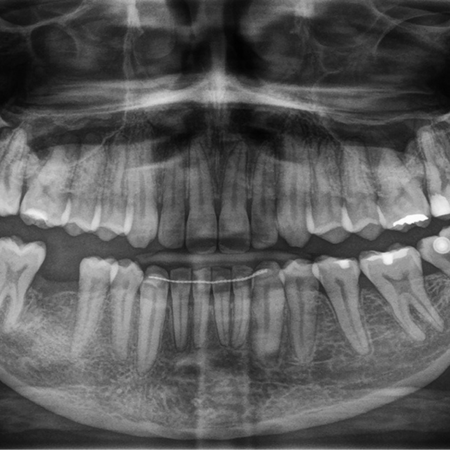
INTRODUCTION: Class II malocclusion represents one of the most frequent anteroposterior discrepancies in orthodontics and may result from different combinations of skeletal and dentoalveolar factors. Advances in clear aligner therapy have expanded the possibilities for treating this condition, allowing the application of complex mechanics in adult patients. OBJECTIVE: The aim of this study was to report the treatment of an adult patient with bilateral full-cusp Class II malocclusion using...
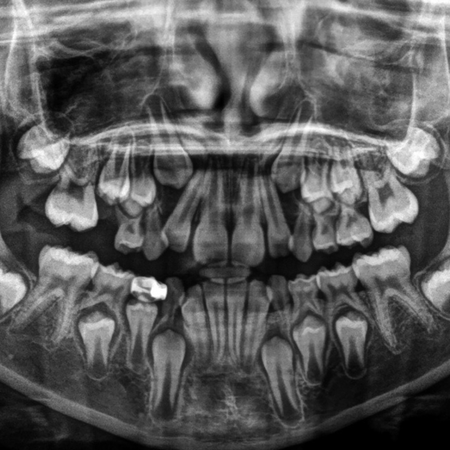
OBJECTIVE: The objective of this article is to present four clinical cases, highlighting the importance of creativity for the treatment of Class II malocclusion in growing patients. Patients were treated by different therapeutic approaches: removable appliance with a spring to recover space, functional orthopedic appliance, Invisalign Precision Wings aligners, and headgear. CONCLUSION: The cases demonstrate that, with creativity, it is possible to apply different solutions for the treatment...
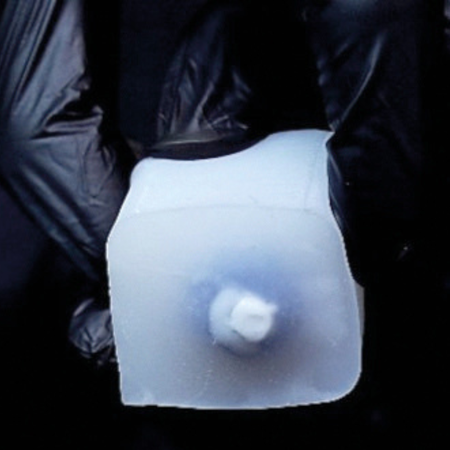
INTRODUCTION: Temporomandibular joint (TMJ) arthrocentesis is a minimally invasive technique indicated for the management of intra-articular temporomandibular disorders that do not respond to conservative therapy. OBJECTIVE: This laboratory study evaluated the performance of a new single concentric needle designed to simplify the arthrocentesis procedure, enabling fluid infusion and aspiration through the same device, and eliminating the need for multiple punctures. The needle consists of a...
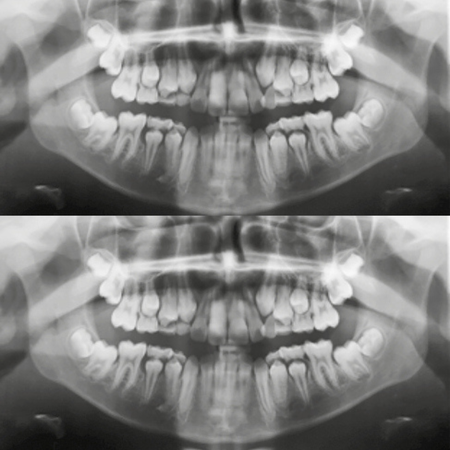
INTRODUCTION: Mandibular fractures are common and have various etiologies, including traffic accidents, assaults, and falls. Treatment choice depends on multiple factors, such as fracture location and level, patient age, and the presence of other associated fractures. OBJECTIVE: This study presents a clinical case involving conservative treatment for a subcondylar fracture associated with a surgically treated parasymphyseal fracture. CASE REPORT: Patient with a left subcondylar fracture and a...
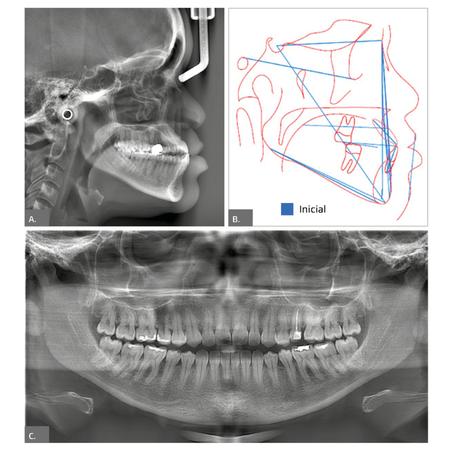
INTRODUCTION: The treatment of Class III malocclusion associated with maxillary constriction in adult patients, using miniscrew-assisted rapid palatal expansion (MARPE), makes it possible to achieve skeletal- level maxillary expansion with reduced dentoalveolar effects. MARPE, when combined with cortical perforations along the midpalatal suture, has proven to be a simpler and more cost-effective approach, compared to surgically-assisted rapid palatal expansion (SARPE). OBJECTIVE: The aim of...
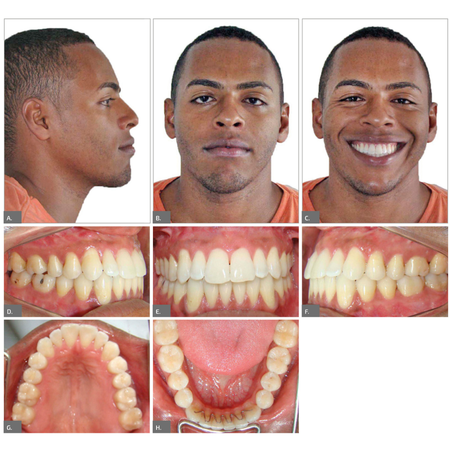
INTRODUCTION: Facial aesthetics refers to the harmony and attractiveness of the face, and is influenced by several factors, such as symmetry, proportionality among the facial thirds, and the relationship between different anatomical elements, including the eyes, nose, lips, as well as maxillary and mandibular projection. Individuals are classified into five facial patterns, in which Patterns I, II, and III present anteroposterior discrepancies, whereas Long Face and Short Face patterns are...
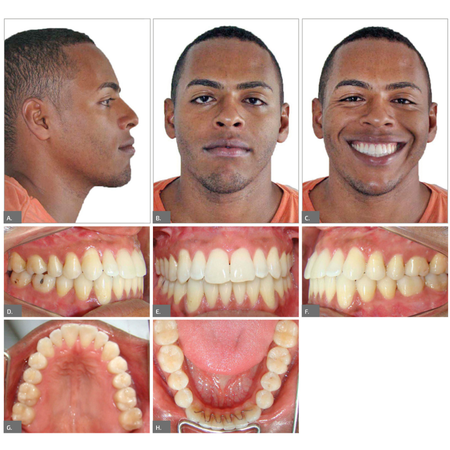
INTRODUCTION: Facial asymmetry can affect occlusion and facial esthetics, and a fundamental goal of orthodontic treatment is to create a balanced and harmonious facial appearance. CASE REPORT: This clinical case shows the treatment of a severe facial asymmetry and scissors bite, by means of a complex orthodontic surgery preparation using several resources, as skeletal anchorage, and a maxillomandibular combined orthognathic surgery. CONCLUSION: The clinical results indicated that this...
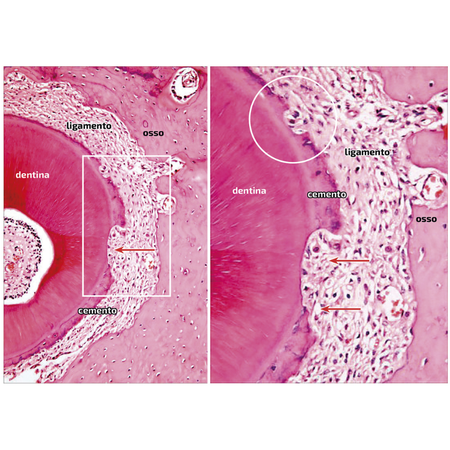
INTRODUCTION: A step-by-step sequence of phenomena occurs in the onset of inflammatory dental resorptions in teeth adjacent to unerupted teeth. Methodology: Based on a review of phenomena from several studies and theses, a logical sequence of these events was organized. RESULTS, DISCUSSION, AND CONCLUSIONS: There is injury and death of cementoblasts, with exposure of cementum and dentin and their antigenic proteins, which attracts osteoclasts for their removal, establishing the resorptive...